

The Terrifying Colour Theory No-one’s Talking About
Is the world being deliberately desaturated?

From fake moon landings to UFOs and aliens, I love a good conspiracy theory.
And the more I read between the lines, the more I can’t help thinking that there’s quite literally something darker going on.
Something curious is happening to the world around us. Have you noticed it?
We’re being turned into colour-phobes.
The streets are greyer than they used to be. Buildings are blander. Our clothes are duller. Even our homes—our supposed sanctuaries—have been stripped back to beige minimalism as if colour itself suddenly became dangerous.
It’s subtle. Creeping. Easy to miss unless you’re paying attention.
But once you see it, you can’t unsee it.
So here’s the question:
What if this fading palette isn’t an accident? What if colour is intentionally being drained from our surroundings—slowly, quietly, consistently—not in the name of design but for a more sinister reason?
This is the big colour conspiracy: the possibility that the systems we live inside—cultural, economic, technological—have been slowly turning the real world black and white to keep us subdued, disconnected, and easier to manage so that we automatically gravitate to a dopamine-driven digital space where we can be sold to, lied to, and controlled.
Think I’ve finally lost it? Let’s look at the evidence.
Exhibit A: Cars—Driving on the road to nowhere
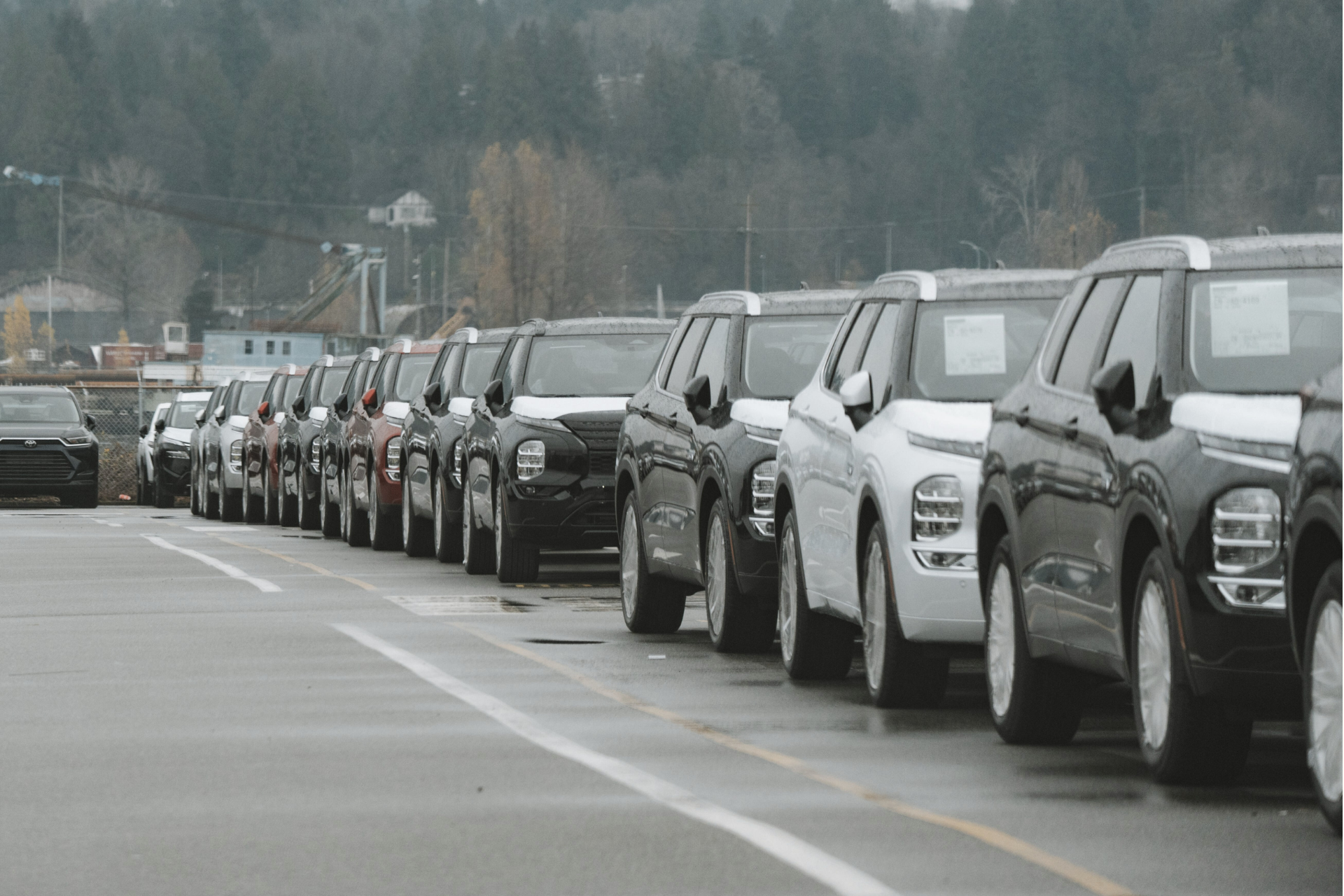
I saw a picture on Facebook recently: a car park in the 70s or 80s that was a kaleidoscope of colour. Heck, even I remember my dad’s banana yellow Datsun, my mum’s seafoam green Nissan and my granddad’s peacock-teal Ford.
Cars used to be colourful.
But today around 80% of new cars in the West are black, white, grey, or silver.
Dealerships say it’s because neutrals “hold value.” Manufacturers say it’s “what buyers want.” But isn’t it convenient that the biggest moving objects in our environment now blend into a visual fog?
Grey cars, grey roads, grey skies: driving anywhere is like entering into some liminal space. Most people are already doing it on autopilot, and with the rise of the driverless car? Well, you might as well slip yourself a sedative and be done with it.
Exhibit B: Architecture—From character to concrete
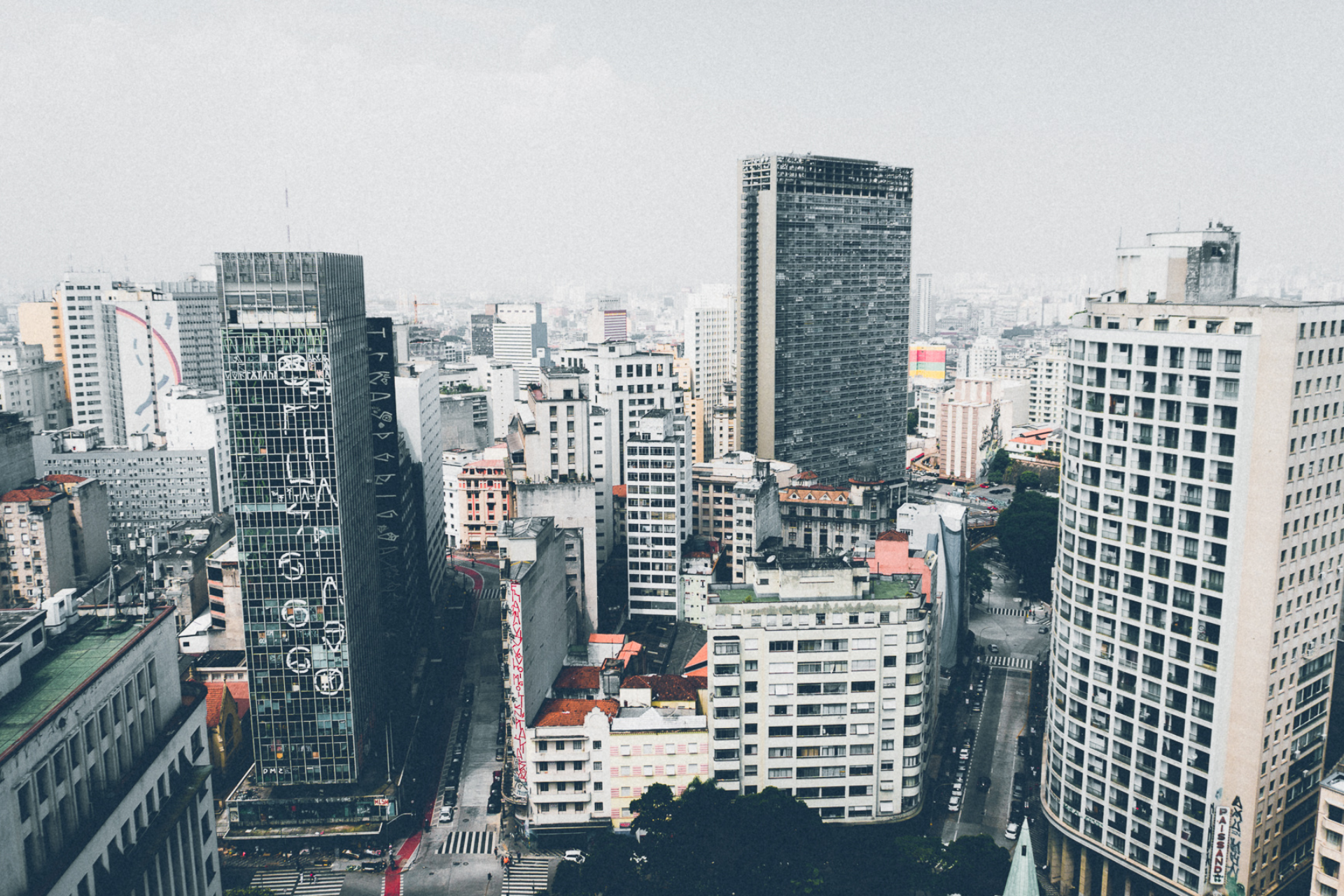
Walk through any historic district and you’ll see colour—brick reds, mustard facades, painted trims, decorative tiles.
Here in the UK, from the vibrant Notting Hill townhouses in west London to the famous Suffolk pink cottages, the built environment used to have personality.
Modern cities, by contrast, are dominated by concrete, glass, and steel. Neutral. Cold. Uniform.
Minimalism didn’t just tidy our homes—it sterilised our streets. The shift from the stunning Gothic architecture of the Victorian era to Brutalist and post-modern grey blocks is more than a design preference. It has an emotional impact.
They’ll say it’s about efficiency and cost.
But colour stimulates. Grey suppresses.
And what’s easier to control: a stimulated society, or a subdued one?
Exhibit C: Fashion—Wardrobe of woe
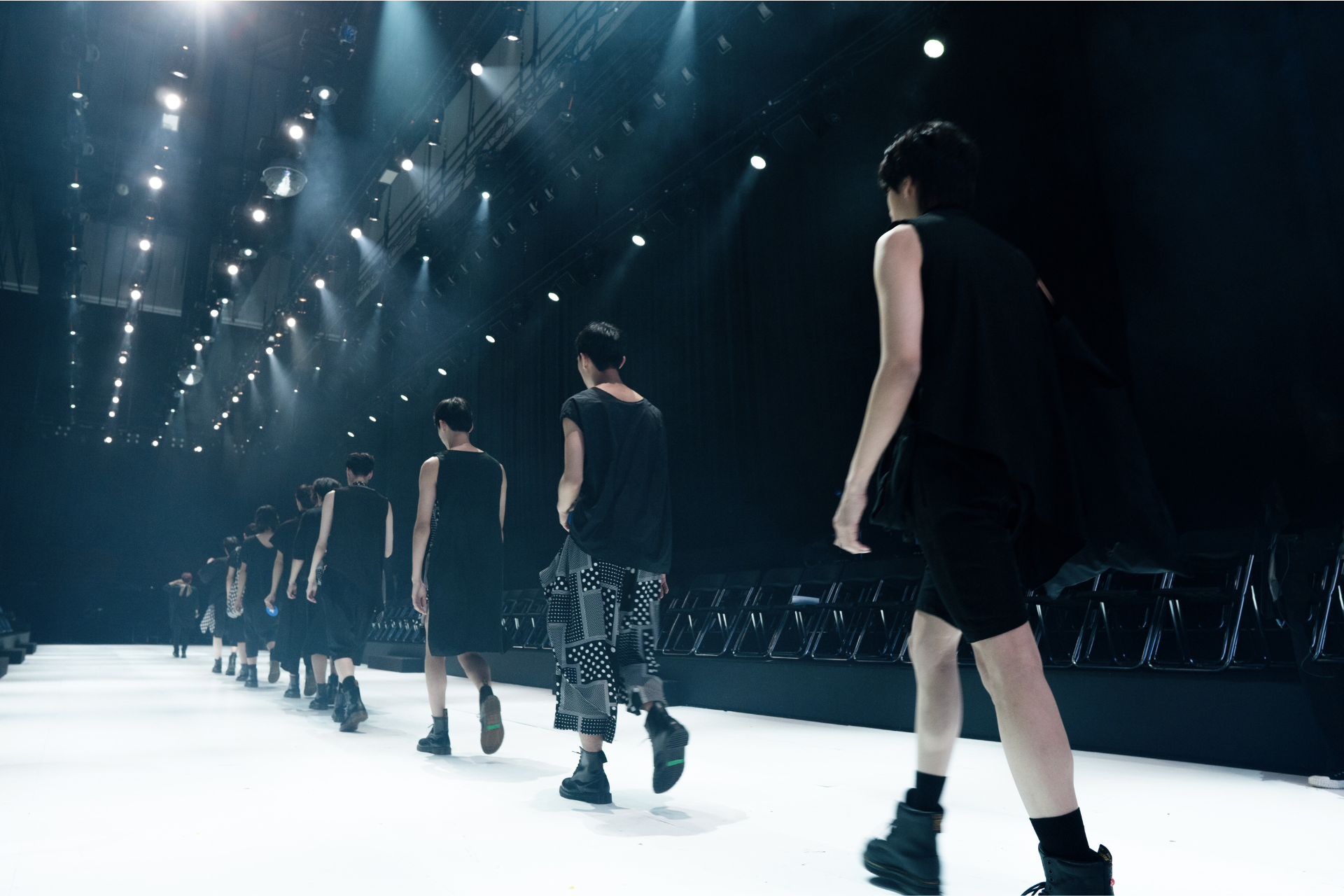
I’m no fashionista but I can see that here too the preference for colour has waned. The 60s and 70s were a riot of colour: psychedelic prints, bold palettes, expressive style. Fashion was rebellion against ‘The Man’.
Now open your wardrobe. Odds are it’s mostly black, grey, navy, white. Maybe a muted earth tone if you’re feeling reckless.
Yes, they may be classical and stylish-even easy-but clothing is one of the ways we express our personality.
Neutral fashion doesn’t allow for individuality—it’s become a uniform. One that whispers: blend in, pipe down, don’t rock the boat.
When everyone dresses the same, our identity fades. And when we lose our identity we lose our purpose. We become depressed, listless...and easier to influence.
I’ll admit that I’m a sucker for black clothes but I’m consciously trying to bring more colour into my wardrobe. And it really does affect my mood and my energy.
Try it and see. Don’t let them steal your soul!
Exhibit D: Interiors—‘Natural’ living that’s anything but
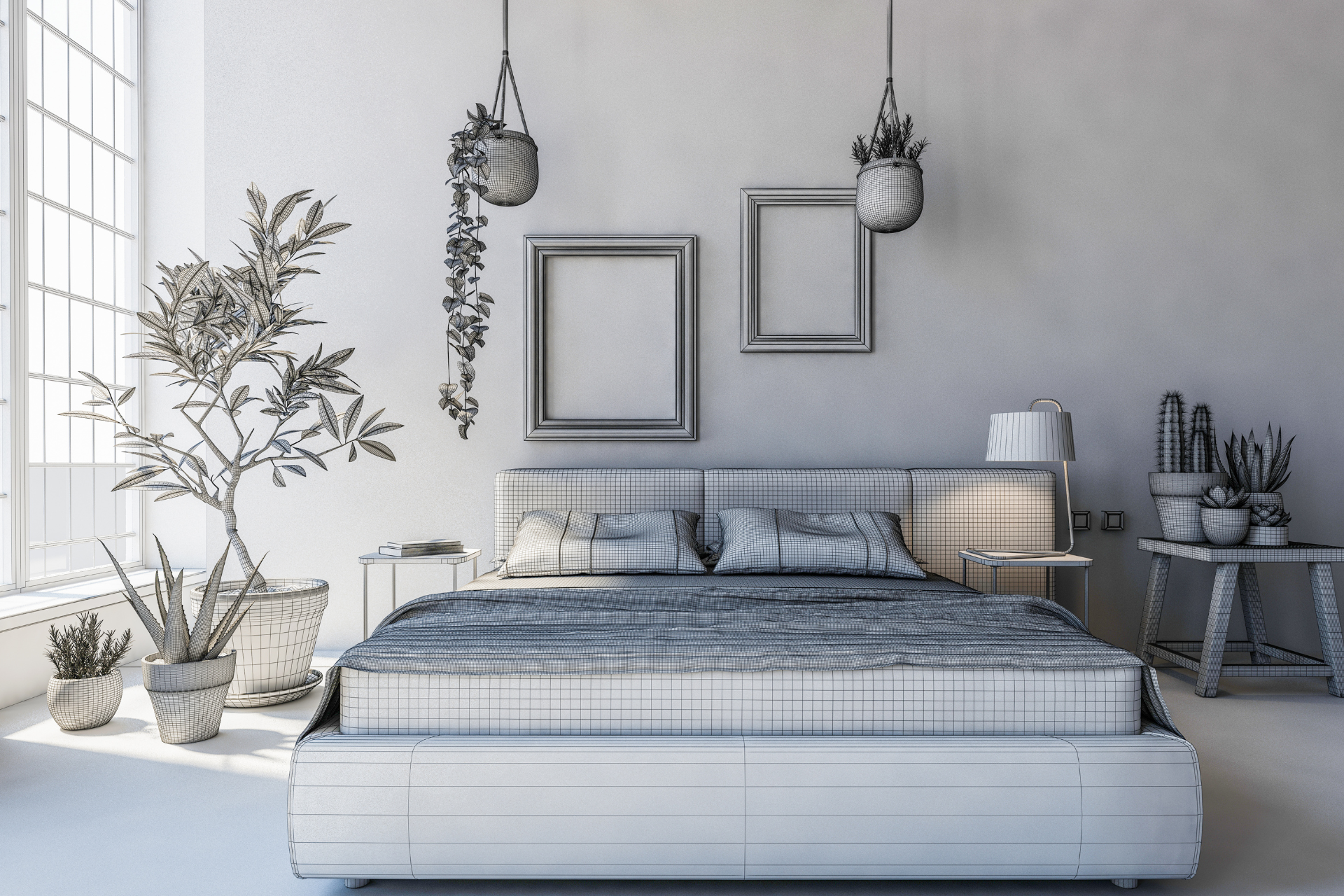
If there’s anywhere the colour drain is undeniable, it’s in our homes.
Beige. Grey. There’s so much of it they even invented a new word—greige. Entire homes curated to look like overnight oats in the name of style.
Real estate experts tell people to “keep it neutral” to sell. Interior designers say it’s ‘timeless’. But it’s like living inside a giant bowl of porridge.
Research shows that overly neutral environments can deaden emotional response, reduce stimulation, and negatively affect mood. Yet the cultural pressure to maintain bland, minimalist interiors hasn’t slowed.
A colourful home is alive. A neutral home is numb.
But hey, our homes are a reflection of ourselves, right? So if we’ve already been muted on the outside, then no wonder we’re drawn to it on the inside too.
The Colour Paradox
Ok, hold on to your tin foil hats! This is where things get wild.
Here’s what I’ve noticed: while the physical world is becoming more desaturated, the digital world is exploding with colour.
Social media platforms, use high-contrasting dopamine design - it’s all neon notifications, flashing icons and migraine-inducing, infinite-scroll feeds.
Your phone is a portable slot machine.
The scary part is it’s not an accident. The brightest colours in your life now come from apps that are engineered for addiction.
The real world goes grey so your attention gets diverted into a screen. And where attention goes, energy flows.
It’s the perfect loop:
Neutral external environments dull your senses.
Dull senses crave stimulation.
Screens deliver it instantly.
You stay on the platforms longer.
The cycle repeats.
The lack of colour in the real world means you’re more likely to seek it in the digital one. And a society hooked on screen-stimulation doesn’t rebel. They’re too addicted to eye candy to notice what’s going on right under their nose.
The Psychology: Colour Affects Consciousness
This isn’t woo—it’s science.
Colour affects:
mood
energy
creativity
decision-making
nervous system regulation
social connection
Studies link grey and dark blue to sadness and withdrawal. Bright colours, especially reds, blues and yellows, increase vitality, motivation, and emotional expression.
Remove colour from daily life and what happens?
People become passive. Tired. Confused. Disconnected.
A little easier to nudge. A little less likely to push back.
Don’t believe me? Just watch any dystopian futuristic sci-fi movie. See much vibrancy in them?
The Rebel Yell (ow)
So, is it a conspiracy? Maybe. Maybe not.
Dr Evil probably isn’t sitting in his monochrome lair, mwah-ha-ha-ing. But it’s definitely convenient.
Systems don’t need masterminds; they just need momentum.
And right now, the momentum is moving toward neutrality. A world that’s visually flat becomes emotionally flat. A population that’s apathetic is easier to overwhelm, distract or direct.
Whether it’s deliberate or just the byproduct of a culture obsessed with efficiency, profit, and mass appeal—the effect is the same.
→ Colour disappears → Vitality fades → People divide.
What matters is this:
Colour is a form of consciousness.
Colour is a form of energy.
Colour is a form of rebellion.
Every bright car, every neon-graffitied wall, every pink coat in a sea of black, or dopamine decor home is a refusal to conform.
More colour = more sovereignty
Colour wakes people up.
Colour reconnects people to themselves and each other
Colour breaks the spell of monotony.
And perhaps that’s why it feels like it’s been taken from us.
Fade to black…
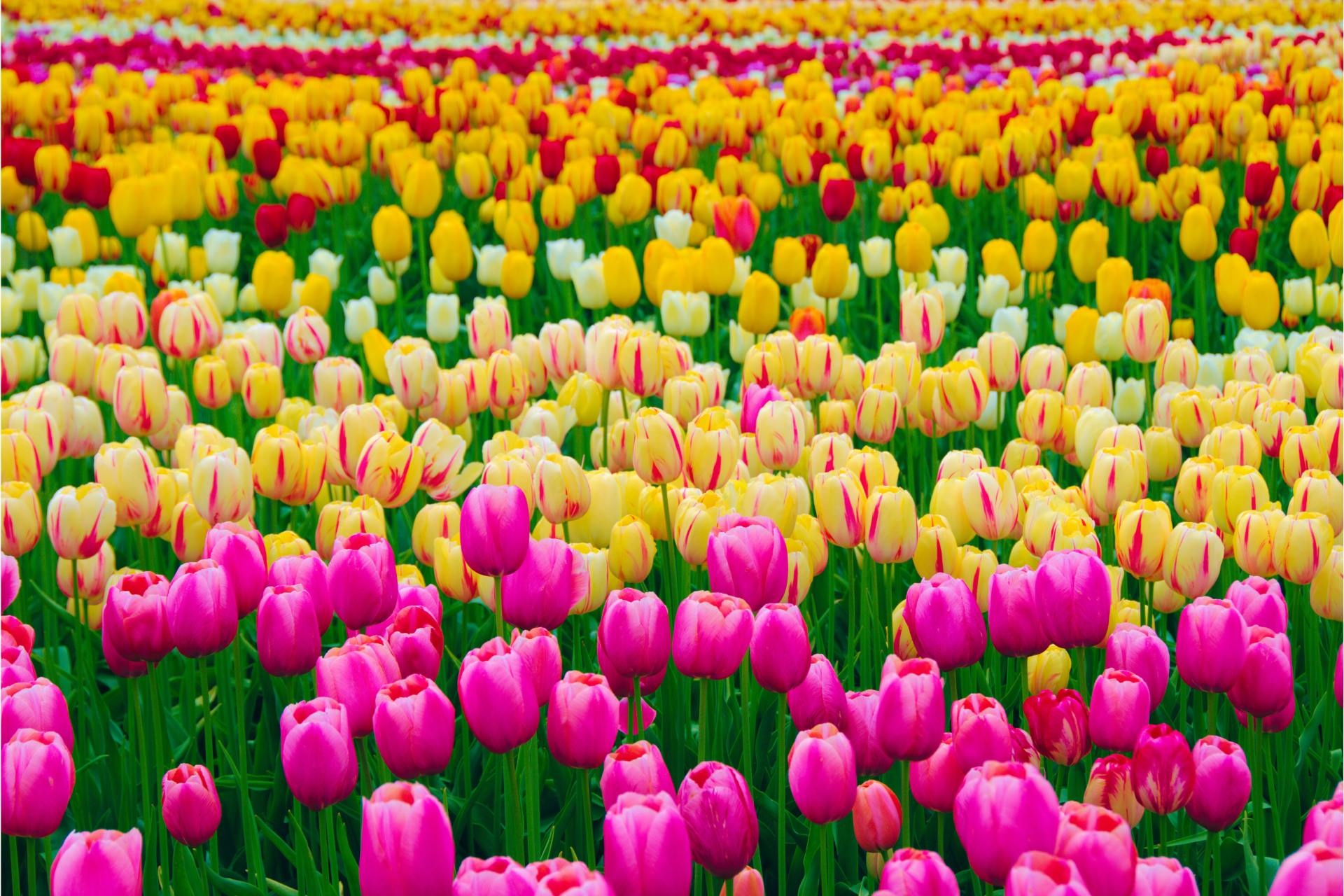
Maybe the real conspiracy isn’t who’s zapping the colour.
Maybe it’s why we’ve been hoodwinked into thinking it’s not important—and why we traded vibrancy for uniformity, expression for indifference, and stimulation for sedation.
Nature is full of colour but we’ve become so oblivious to it, directing our attention to screens, instead of appreciating what’s all around us.
Because the truth is, there’s more to colour than meets the eye. It’s a frequency, a vibration. It’s who we are.
A greyscale world doesn’t just dull the senses; it dulls the spirit. And the longer we live inside muted spaces, muted wardrobes, muted cities, the easier it becomes to forget that we are a part of nature and we were designed for aliveness. To experience the full spectrum of emotions, of sensation and invigoration.
The real rebellion isn’t outrage or finger‑pointing—it’s re‑colouring our lives on purpose. Being unafraid to stand out in a culture that wants us to blend in. Bringing vibrancy back into our homes, our clothes, our streets, our lives.
And noticing what’s already in front of us.
Becoming walking reminders that life is meant to feel rich, expressive, vivid.
In a world of black and white polarity, the most radical thing you can do is get colour conscious and bring it to everything you do.
You are a hue-man being living in a technicolour hue-niverse.
Live colour, fully.
Kx