

What Your Favourite Colour Reveals About You
…it’s not what you think!
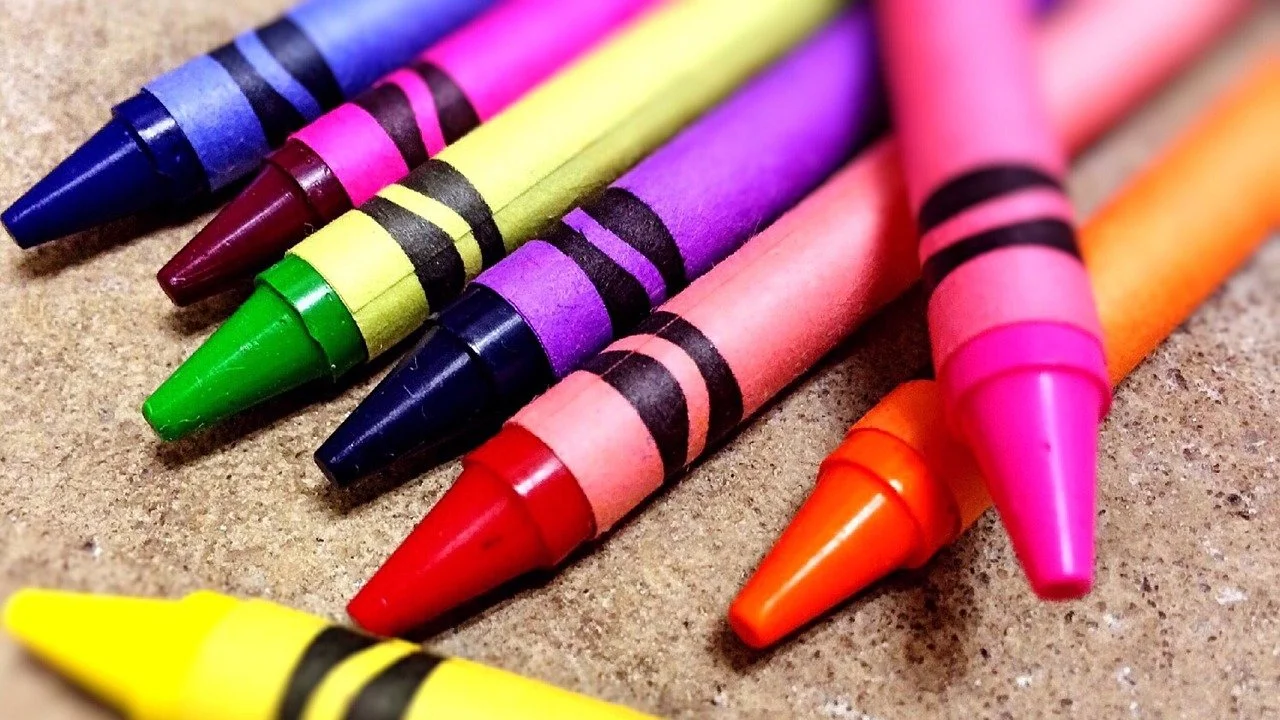
Image courtesy of Pixabay
What’s your favourite colour? We all have one, or maybe more than one, but have you ever wondered why you’re drawn to certain colours more than others?
Our attraction to specific hues goes beyond mere aesthetics and in this article I’m going to share with you a new perspective on colour that will change the way you see and feel it.
We’ll look at
• The significance of colour in our day to day lives
• The psychology of colour
• The impact of personal experiences on our colour choices
• Your spiritual connection to colour
So, if you’re ready to discover what your favourite colour says about you, let’s get started.
The significance of colour in our day to day lives
You may not realise it but colour is a powerful tool that affects every aspect of your daily life. Whether consciously or unconsciously, you are constantly surrounded by colours that shape your experiences and perceptions.
It plays a significant role in your survival: you have evolved to perceive and interpret colour on a conscious level. It can alert you to danger or let you know when something is safe to eat. It tells you when to stop and when to go and it helps you to communicate (those little blue ticks on WhatsApp can be a blessing and a curse!!).
Colour affects your choices and behaviour in so many ways ,from the food you eat to the clothes you wear and it has a profound influence on a subconscious level - something that brand marketers have used for decades to get you to buy their product.
The psychology of colour
Colour psychology is the study of how different colours can affect our emotions, behaviour, and choices on a subconscious level. Colours have the power to evoke certain feelings and associations in your mind, which can influence the decisions you make without you even realising it.
By understanding these associations, marketers and designers can use colour strategically to elicit specific responses from consumers. In terms of consumer behavior, colour psychology plays a significant role in influencing purchasing decisions. Studies have shown that up to 90% of snap judgments made about products are based on colour alone.
This means that choosing the right colours for branding, packaging, and advertising can have a profound impact on how customers perceive a product or brand.
In the interiors world colour is arguably the main protagonist. The Pantone Colour Institute and Dulux (among other paint brands) announce their Colour of the Year each autumn. It’s a highly anticipated moment in the design calendar!
An elite panel of trend forecasters and colour experts spend months researching and deliberating before settling on a particular hue that they feel best represents global attitudes and trends are created on this basis.
The impact of personal experiences on colour choices
As with sound and aroma, colour can also trigger memories of events and experiences, both positive and negative. Your preference for, or aversion to, certain colours can be related to specific moments or objects. Sometimes it’s obvious, for example your favourite colour might be red because your grandad always wore red socks, and it reminds you of happy times with him.
Other times it can be buried deep in the subconscious under layers of conditioning or trauma. Blue is often touted as the world’s favourite colour but it’s not mine - far from it, in fact! I have no blue at all in my home and I have no blue clothing (save from a couple pairs of jeans).
It was when I found I was having trouble using blue in my artwork that I got curious as to why. Time spent contemplating this question during meditation revealed that I had a deep fear and resentment for the sea.
Growing up on a small island, a place where I felt trapped and was never very happy, I saw the sea as a barrier to my freedom. My subconscious filed blue away under ‘scary prison guard’ and so it disappeared from my internal design.
I encourage you to consider if your favourite, or least favourite, colour has any connotations, positive or negative, to other areas of your life that you may need to release or balance.
Your spiritual connection to colour
Sometimes the colours we’re drawn to can reveal so much more than what we see and feel on a physical and emotional level. Your soul colour is a good indicator of what you need to flow through life but it is not necessarily your favourite colour. (If you haven’t done so, I invite you to discover yours to help you unlock your full potential.)
I’ve spoken to a few people recently who have said ‘my favourite colour always used to be X but now it’s Y.’
This is likely because their inner self, or their soul, is having its say. Much like you crave certain foods at certain times or in response to certain emotions, your soul craves colour to feel satiated on an energetic level.
For example, if you always leaned towards shades of green but find yourself suddenly and inexplicably drawn to red (its opposing colour) your soul might be signalling that the time for rest is over and you need to take action on something or be more active in general.
Or, in reverse, if you always favoured magnetic colours like reds and oranges but find that you now prefer soothing shades of green, your soul is telling you that you need to slow down and find more balance in your life.
A spontaneous desire to bring yellow into your energy field could mean there’s something that needs your specific attention and focus, or that you need to be more confident.
Purple indicates that you need to listen to your intuition and connect to your higher self to find the answers you seek.
Your favourite colour can offer valuable insights into your personality and preferences. Whether you gravitate towards vibrant reds and oranges, calming blues and greens, or protective blacks and grays, each hue reflects different facets of your character and essence.
The colours that you’re attracted to on a day to day basis act like an alarm, alerting you to what you need energetically.
So, next time you find yourself drawn to a particular shade for seemingly no reason, pay attention and take a moment to consider what it is trying to tell you.